Introduction: Let’s Talk About Food, Freedom, and Feeling Great
Let me ask you something. Have you recently been told you have diabetes or prediabetes? Or maybe you’re supporting someone who has. And now you’re staring at your plate wondering, “What on earth am I supposed to eat now?”
I get it. That feeling of overwhelm is real. The good news? A diabetic diet isn’t about deprivation, boring food, or saying goodbye to everything you love. In fact, it’s quite the opposite. It’s about discovering a whole new way of eating that can actually make you feel better, have more energy, and enjoy your meals more than ever before.
Think of it this way: learning to manage your blood sugar is like learning to dance with your food instead of fighting it. And you don’t need to be a nutrition expert to do it. You just need a little guidance, some practical tips, and the willingness to start small.
By the time you finish reading this guide, you’ll have a clear, simple roadmap for building a healthy-eating plan that works for your lifestyle, your taste buds, and your blood sugar goals. Let’s dive in.
What Exactly Is a Diabetic Diet?
First things first. Let’s clear up what a diabetic diet actually means. Because I promise you, it’s not what you might think.
A diabetic diet is simply a healthy-eating plan that helps you manage your blood sugar levels. That’s it. No magic, no weird foods, no complicated rules. It’s naturally rich in nutrients, low in unhealthy fats and calories, and packed with delicious, wholesome foods .
Here’s what a healthy diabetic diet typically includes:
- Fruits and vegetables (lots of them)
- Whole grains like brown rice, quinoa, and oats
- Lean proteins such as chicken, fish, beans, and tofu
- Healthy fats from avocados, nuts, and olive oil
- Low-fat dairy or dairy alternatives
In fact, this type of eating plan isn’t just good for people with diabetes. It’s good for everyone. It supports heart health, helps with weight management, and provides the nutrients your body needs to thrive .
The goal is simple: keep your blood sugar levels in a safe range by making smart food choices and eating at regular times. When you do this, your body can better use the insulin it produces or gets through medication .
Why Your Eating Habits Matter More Than You Think
You might be wondering, “Why is this such a big deal?” Well, when you eat extra calories and carbohydrates, your blood sugar rises. If it stays too high for too long, it can lead to serious issues over time—nerve damage, kidney problems, heart disease, and more .
But here’s the encouraging part: you have tremendous power over your health through your food choices. Healthy eating is one of the most effective tools for managing diabetes and preventing complications .
For most people with type 2 diabetes, weight loss also makes it easier to manage blood sugar. And the weight loss that comes from a healthy-eating plan offers a host of other benefits—better energy, improved mood, lower blood pressure, and reduced cholesterol .
The 7 Secrets to a Successful Diabetic Diet
Let’s get to the good stuff. Here are seven practical, beginner-friendly secrets to building a diabetic diet that works.
Secret #1: Master the Balanced Plate Method
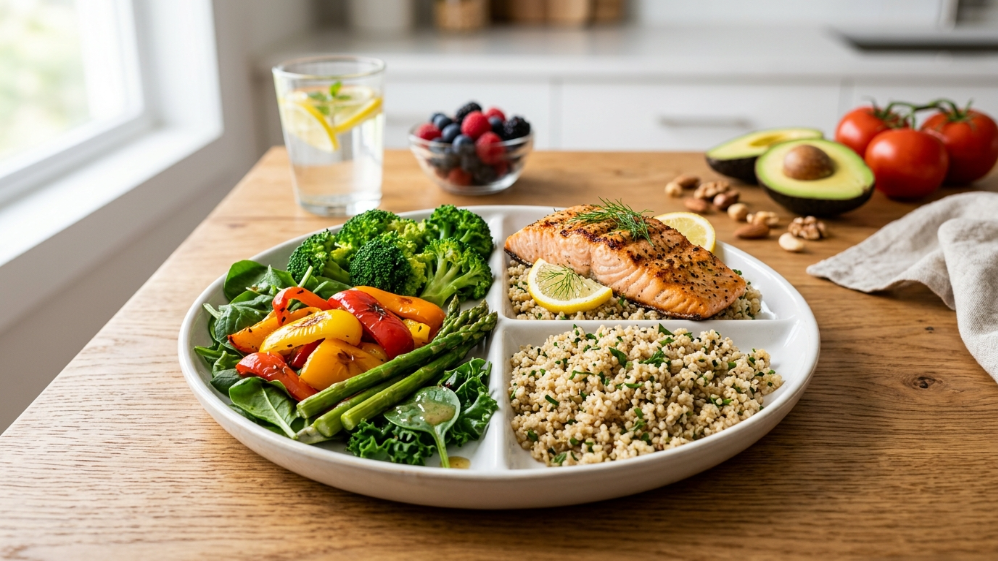
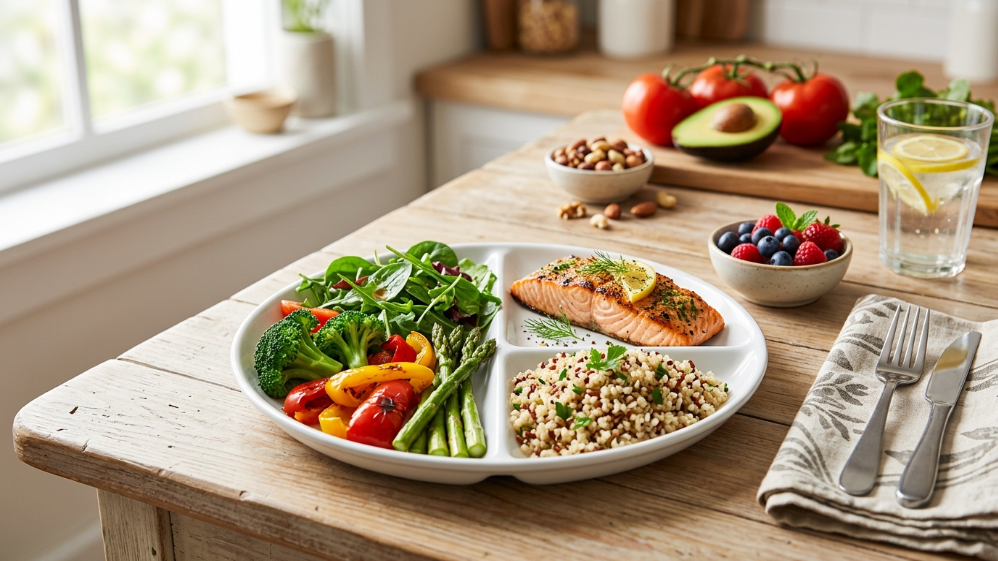
This is the single most important tool in your diabetes toolkit. And it couldn’t be simpler. The balanced-plate method requires no measuring, no weighing, no calculating. Just visualize your plate and follow this formula :
Using a standard 9-inch dinner plate:
- Fill half your plate with non-starchy vegetables. Think leafy greens, broccoli, cauliflower, peppers, tomatoes, mushrooms, and asparagus. These are low in calories and carbs but high in fiber and nutrients. They help fill you up without spiking your blood sugar .
- Fill one quarter with lean protein. Fish, chicken, turkey, lean beef, eggs, tofu, beans, or lentils all work beautifully. Protein slows digestion and helps stabilize blood sugar .
- Fill the remaining quarter with whole grains or starchy vegetables. Brown rice, quinoa, whole-wheat pasta, sweet potatoes, or corn fit here. These provide energy and important nutrients .
Pro Tip: Eat your vegetables first! Starting with fiber-rich veggies can help you feel full and prevent overeating the carb-heavy parts of your meal .
Secret #2: Choose Healthy Carbohydrates Wisely
Carbohydrates aren’t the enemy. But the type and amount you eat matters. During digestion, carbs break down into glucose (sugar), which directly affects your blood sugar levels .
- Fruits (whole fruits, not juice—the fiber in whole fruit slows sugar absorption)
- Vegetables (especially non-starchy ones)
- Whole grains (brown rice, quinoa, oats, barley, whole-wheat bread)
- Legumes (beans, lentils, chickpeas, peas)
- Low-fat dairy (milk, yogurt)
Limit these less healthy carbs:
- Foods or drinks with added sugars
- Refined grains (white bread, white rice, pastries)
- Sugary snacks and desserts
A helpful tip: High-fiber carbs are digested more slowly, which means a gradual rise in blood sugar rather than a spike. Fiber also keeps you full longer, which helps prevent overeating .
Secret #3: Don’t Forget Protein and Healthy Fats
Protein and fat play crucial roles in blood sugar management. Here’s why:
- Protein slows the absorption of sugar into your bloodstream. When you eat protein with carbs, the sugars release more slowly, keeping your blood sugar in a healthier range .
- Healthy fats also slow digestion and help you feel satisfied .
- Skinless chicken or turkey
- Fish (especially fatty fish like salmon, rich in heart-healthy omega-3s)
- Eggs
- Beans, lentils, and chickpeas
- Tofu and tempeh
- Nuts and seeds
- Low-fat dairy
- Avocados
- Nuts and seeds
- Olive, canola, and peanut oils
Pro Tip: Aim for equal portions of protein and carbohydrates at each meal to help stabilize blood sugar .
Secret #4: Add More Fiber to Your Day
Fiber is your blood sugar’s best friend. It moderates how your body digests food and helps manage blood sugar levels .
- Fruits (especially whole fruits with edible skins)
- Vegetables (load up on non-starchy options)
- Whole grains (oats, brown rice, quinoa, barley)
- Legumes (beans, lentils, peas)
- Nuts and seeds
For the most fiber benefit, eat whole fruits rather than drinking fruit juice. The fiber in whole fruit helps slow sugar absorption .
Secret #5: Eat Regularly, Don’t Skip Meals
Your body functions best with consistency. Eating a meal or snack about every four to six hours helps manage your blood sugar levels .
- Start with a balanced breakfast that includes both carbohydrates and protein
- Aim for regular meal times
- Don’t skip meals—this can lead to overeating later
- Include a small snack if you go more than five hours between meals
- A small apple with 1 tablespoon of unsalted peanut butter
- 1/2 cup baby carrots or sliced bell peppers with 2 tablespoons hummus
- A small handful (about 1 ounce) of unsalted nuts
- Two whole-grain crackers with low-fat string cheese
- 1/2 cup plain Greek yogurt with 1/2 cup blueberries
Secret #6: Navigate Dining Out Like a Pro
Eating out doesn’t have to derail your healthy eating plan. With a little planning, you can enjoy restaurant meals while staying on track .
- Look at the menu online before you go to identify healthier options
- Avoid buffets, which encourage overeating
- Consider ordering a salad and an appetizer instead of a full entrée
- Ask for half your meal to be boxed before you start eating
- Request sauces, dressings, and condiments on the side so you control portions
- Start with a small portion, eat slowly, and give your body time to feel full
Secret #7: Be a Savvy Grocery Shopper
Smart shopping starts before you even leave home. A little planning at the store makes healthy eating much easier .
- Plan your meals for the week and bring a grocery list
- Shop after eating—you’ll be less tempted by impulse purchases
- Choose seasonal fruits and vegetables for better prices
- Stock up on frozen or canned produce without added sugar or sodium
- Choose whole-grain breads, cereals, pasta, and brown rice
- Read Nutrition Facts labels for serving sizes, sodium, and added sugars
- Limit packaged, processed, and take-out foods
Did you know? Healthy eating doesn’t have to be expensive. Small changes like shifting from meat to plant proteins (beans, lentils) can save money while improving your health .
Foods to Limit on a Diabetic Diet
While no food is completely off-limits, some foods are best enjoyed in moderation. Diabetes raises your risk of heart disease and stroke, so limiting certain foods is important .
- Saturated fats: High-fat dairy, fatty meats, butter, sausage, bacon
- Trans fats: Processed snacks, baked goods, shortening
- Cholesterol: High-fat animal proteins, egg yolks, organ meats
- Sodium: Aim for no more than 2,300 mg per day
- Added sugars: Sodas, fruit drinks, sweets, pastries
- Refined carbs: White bread, white rice, sugary cereals
Your Diabetic Diet FAQs, Answered!
Do I need to buy special “diabetic” foods?
No! You don’t need special foods or separate meals. A healthy diabetic diet is based on regular, wholesome foods like vegetables, fruits, whole grains, lean protein, and healthy fats .
Can I still eat fruit on a diabetic diet?
Absolutely! Whole fruits are packed with fiber, vitamins, and antioxidants. The fiber in whole fruit helps slow sugar absorption. Just eat whole fruit instead of fruit juice, and enjoy in moderation .
How much carbohydrate should I eat per meal?
This varies based on your individual needs, activity level, and medications. A registered dietitian can help determine the right amount for you. The American Diabetes Association recommends consulting with a healthcare professional to understand how much carbohydrate is appropriate for your situation .
Is a low-carb diet best for diabetes?
There’s no one-size-fits-all answer. The right eating pattern depends on your personal health goals, preferences, and lifestyle. Options include Mediterranean-style, low-carb, DASH, vegetarian, or vegan eating patterns . A registered dietitian can help you choose the best approach.
Can I eat out at restaurants with diabetes?
Yes! Look at menus online beforehand, ask for sauces on the side, share entrees, and avoid buffets. With a little planning, eating out can fit perfectly into your healthy-eating plan .
Is it true that eating protein with carbs helps blood sugar?
Yes! Protein slows the absorption of sugar into your bloodstream. When you eat protein with carbohydrates, the sugars release more gradually, helping keep your blood sugar stable . Aim for balanced portions of protein and carbs at each meal.
How can I find a dietitian to help me?
Ask your healthcare provider for a referral, or search for a registered dietitian (RD) or registered dietitian nutritionist (RDN) in your area. Many insurance plans cover nutrition counseling for diabetes. Organizations like Diabetes Canada and the American Diabetes Association offer resources to find qualified professionals .
Conclusion: Your Journey Starts Today
Learning to manage your health through a diabetic diet isn’t about perfection. It’s about small, meaningful changes that add up over time. Start with one or two tips from this guide—maybe the balanced plate method or adding more fiber to your meals. Master those, then build from there.
Remember, you don’t have to do this alone. A registered dietitian can help you create a personalized plan that fits your tastes, lifestyle, and health goals . And every small step you take toward healthier eating is a victory worth celebrating.
Now it’s your turn. What’s one small change you’re excited to try? Drop a comment below—I’d genuinely love to hear from you. And if this guide helped you, please share it with someone who could use some encouragement on their health journey.
Looking for more guidance? Check out our guide to easy diabetes-friendly meals or our collection of healthy snack ideas.